gomovies vs Paid Streaming: Pros, Cons, and What You Need to Know
Ready to explore gomovies?
Direct portal access to gomovies.
Choosing between free streaming platforms and paid subscription services has become one of the most common dilemmas for viewers today. While services like Netflix, Disney+, and HBO Max offer polished experiences with exclusive content, platforms like gomovies attract millions seeking free access to movies and shows. Understanding the real differences between these options goes beyond just comparing price tags.
This comparison digs into what truly separates free streaming from paid alternatives, examining everything from content libraries and viewing quality to legal implications and hidden costs. Whether you're budget-conscious or simply exploring your options, knowing these distinctions helps you make choices aligned with your priorities and risk tolerance.
Content Library and Availability Differences
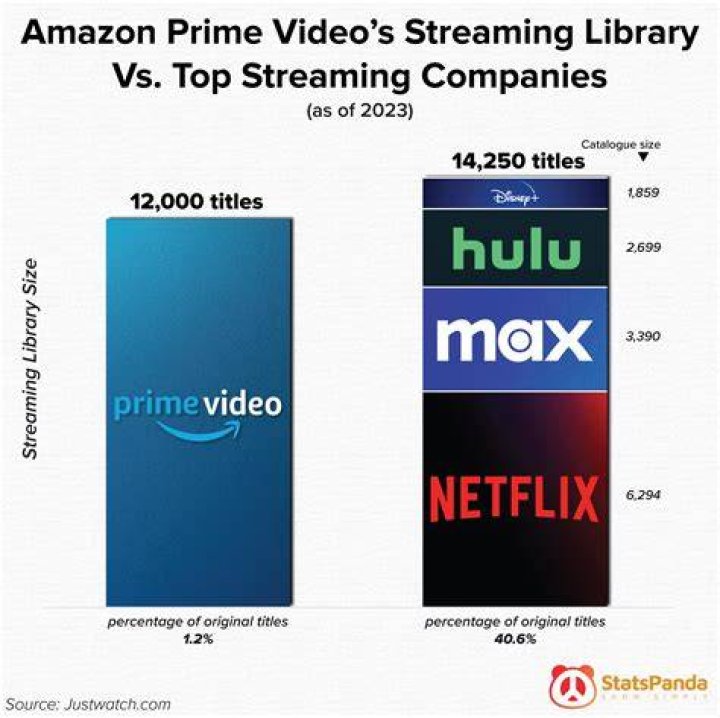
Paid streaming services build their libraries through licensing agreements and original productions. Netflix invests billions annually in exclusive series and films, while Disney+ leverages decades of intellectual property from Marvel, Star Wars, and Pixar. These platforms guarantee that content remains available for extended periods, with clear schedules for additions and removals.
Platforms like gomovies operate differently, aggregating content from various sources without formal licensing. This approach often results in broader initial selection, including newly released theatrical films that haven't yet arrived on legitimate services. However, availability proves unpredictable as links break, servers go offline, or content gets removed without notice.
Release Timing and Exclusivity
Paid services follow structured release windows negotiated with studios and distributors. Subscribers know when new seasons drop and can anticipate exclusive premieres. HBO Max releases Warner Bros. films simultaneously with theaters, while Apple TV+ builds buzz around high-profile originals starring A-list talent.
Free platforms sometimes offer faster access to recent releases, though this comes with significant legal and ethical concerns. The trade-off involves sacrificing reliability and supporting an ecosystem that doesn't compensate content creators. Paid services ensure your viewing directly supports the entertainment industry's sustainability.
Streaming Quality and Technical Performance
Video quality varies dramatically between paid and free options. Subscription services deliver consistent 1080p or 4K streams with HDR support on compatible devices. They invest heavily in content delivery networks that minimize buffering and adapt quality based on your connection speed, ensuring smooth playback even during peak hours.
Free streaming sites like gomovies present inconsistent quality that depends on available sources. One link might offer decent HD while another provides grainy, compressed video that ruins the viewing experience. Buffering interruptions occur more frequently, and resolution often drops unexpectedly mid-stream. Audio quality suffers similarly, with some sources featuring out-of-sync dialogue or poor mixing.
Device Compatibility and Features
Paid platforms develop native apps for smart TVs, streaming devices, gaming consoles, and mobile platforms. These apps include features like download for offline viewing, multiple user profiles, parental controls, and seamless cross-device syncing. You can start watching on your phone during your commute and continue on your TV at home without missing a beat.
Browser-based free platforms lack this integration. Streaming happens through web players with limited functionality, no offline capability, and frequent compatibility issues across devices. Casting to TVs requires workarounds that don't always function reliably, and the absence of account systems means no watch history or personalized recommendations.
Legal Risks and Security Concerns
The legal landscape surrounding free streaming sites raises serious concerns. In most jurisdictions, accessing copyrighted content without authorization violates intellectual property laws. While enforcement primarily targets site operators, users aren't entirely immune from legal consequences. Some countries have introduced legislation allowing copyright holders to pursue individual streamers, resulting in warning letters or fines.
Beyond legal exposure, free platforms pose substantial security risks. Many sites serving pirated content fund operations through aggressive advertising networks that push malware, phishing attempts, and unwanted software. Pop-ups and redirects can install tracking cookies, expose your browsing data, or compromise your device with ransomware. Paid services invest in robust security measures and transparent privacy policies, protecting both your data and your devices.
Internet Service Provider Monitoring
ISPs can monitor traffic to known piracy sites and may throttle your connection, send copyright notices, or in extreme cases, suspend service. Some providers actively cooperate with copyright enforcement agencies, logging users who access flagged domains. Paid streaming generates no such concerns, as all content consumption occurs through legal, recognized channels.
Using VPNs to mask activity introduces additional costs that erode the "free" advantage while raising new questions about service reliability and data privacy. Quality VPNs themselves cost nearly as much as streaming subscriptions, transforming the economics of the comparison entirely.
User Experience and Convenience
Paid streaming services prioritize user experience through intuitive interfaces, sophisticated recommendation algorithms, and seamless navigation. They remember where you left off, suggest content based on viewing habits, and organize libraries through curated collections. Customer support teams handle technical issues, billing questions, and account problems through multiple channels.
Sites like gomovies offer bare-bones interfaces cluttered with advertisements and misleading download buttons. Navigation requires clicking through multiple pages of ads, and finding working links often involves trial and error. No customer support exists when streams fail or quality disappoints. The time spent dealing with these frustrations represents a hidden cost that subscription fees eliminate.
Family and Multi-User Functionality
Premium services allow multiple simultaneous streams and separate profiles for household members. Kids' profiles filter age-appropriate content while adult profiles track individual preferences. These features support family viewing without conflicts or compromised recommendations, adding genuine value for households.
Free platforms lack any account-based features, making family use cumbersome. Everyone shares the same experience with no personalization, no parental controls, and no way to manage what children access. This limitation becomes particularly problematic given the prevalence of mature advertising on such sites.
Cost Analysis and Hidden Expenses
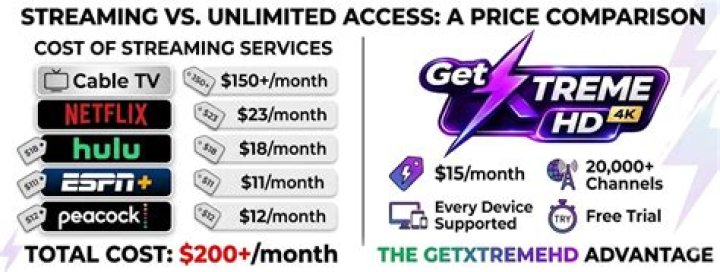
Surface-level comparison makes free streaming appear financially superior, but deeper analysis reveals hidden costs. Time wasted navigating poor interfaces, dealing with broken links, and troubleshooting playback issues carries value. Security risks might result in expensive malware removal or identity theft remediation. Legal consequences, though rare, can prove financially devastating.
Paid services offer transparent pricing with various tiers accommodating different budgets. Basic plans start around ten dollars monthly, with family plans spreading costs across multiple users. Many providers offer free trials, student discounts, or bundled deals with other services. Annual subscriptions typically discount monthly rates, and promotional periods provide significant savings for new subscribers.
Value Proposition Breakdown
Consider what subscription fees provide: legal peace of mind, consistent quality, robust device support, original content, customer service, and no security risks. These benefits combine to create genuine value that free alternatives can't match. Splitting a family plan among four users reduces individual costs to just a few dollars monthly per person.
Free platforms save money upfront but compromise quality, legality, security, and convenience. For viewers who value their time, device security, and legal standing, paid services deliver better overall value despite the monthly fee. The question becomes less about absolute cost and more about which expenses you're willing to accept.
Content Creator Support and Industry Impact
Subscription revenue directly funds content creation, compensating writers, directors, actors, and production crews. When you pay for Netflix or HBO Max, a portion supports both licensing existing content and developing new projects. This economic model sustains the entertainment industry and enables the ambitious productions viewers love.
Free streaming through unlicensed platforms provides zero compensation to content creators. Piracy undermines the business model that makes quality entertainment possible, particularly affecting independent filmmakers and smaller productions operating on tight margins. While major studios absorb some losses, emerging creators suffer disproportionately when audiences access their work through channels that generate no revenue.
Ethical Considerations
Beyond economics, there's an ethical dimension to consider. Content creation requires significant investment of talent, time, and resources. Choosing legitimate channels respects that investment and supports continued production. Platforms like gomovies exist in legal gray areas precisely because they bypass the compensation systems that fund entertainment.
Many viewers justify free streaming by pointing to corporate profits or expensive cable packages, but this reasoning overlooks the broader ecosystem. Subscription services compete by improving offerings and reducing prices, a dynamic that benefits consumers. Widespread piracy removes competitive pressure and could ultimately reduce content quality and availability.
Legal Alternatives to Consider
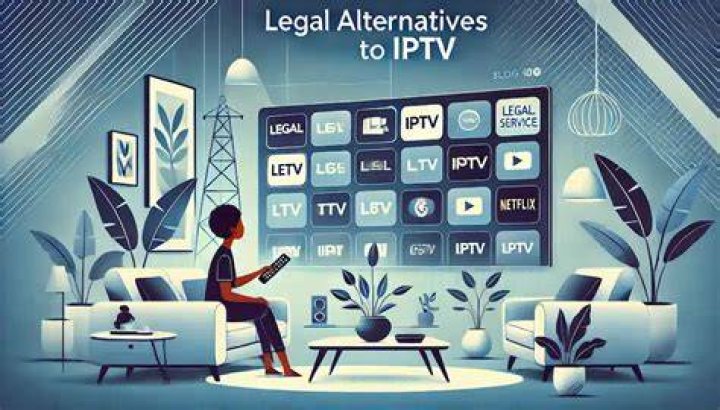
Budget-conscious viewers have legitimate free options beyond piracy. Services like Tubi, Pluto TV, and Freevee offer thousands of movies and shows supported by advertisements rather than subscriptions. While libraries don't match premium services, content is legal, safe, and surprisingly diverse. These platforms prove you can stream for free without legal risks or security concerns.
Public libraries increasingly offer digital lending services including Hoopla and Kanopy, providing free access to films, documentaries, and educational content. Library cards unlock extensive catalogs without ads, often including critically acclaimed independent films and classic cinema unavailable on commercial platforms. This option combines free access with complete legal compliance.
Promotional Offers and Rotating Subscriptions
Strategic subscription management reduces costs without resorting to piracy. Many viewers rotate between services, subscribing to one platform for a month, binge-watching desired content, then switching to another. Free trials let you sample services before committing, while holiday promotions and new customer deals provide significant discounts.
Family and friend groups often share subscription costs and login credentials within terms of service, splitting expenses while maintaining legal access. This approach combines affordability with full service benefits, proving you don't need piracy to manage entertainment budgets effectively.
Making the Right Choice for Your Situation
Deciding between free and paid streaming ultimately depends on your priorities, risk tolerance, and viewing habits. Heavy viewers who value quality, convenience, and variety find paid subscriptions worthwhile despite monthly costs. Casual viewers might prefer legal free options supplemented by occasional paid subscriptions for specific content.
Consider what matters most: Is saving money worth potential legal issues and security risks? Does content quality significantly impact your enjoyment? How much do you value convenience and reliable access? Honest answers to these questions point toward the right choice for your circumstances.
Final Thoughts
The comparison between gomovies and paid streaming services reveals tradeoffs extending far beyond simple cost considerations. While free platforms offer no-cost access, they introduce legal risks, security vulnerabilities, quality inconsistencies, and ethical concerns that paid services eliminate. Subscription platforms provide legal peace of mind, superior experiences, and direct support for content creators at prices most budgets can accommodate through smart management.
For viewers seeking reliable, high-quality entertainment without legal complications, paid streaming delivers clear advantages. Those determined to minimize costs should explore legitimate free alternatives rather than unlicensed platforms. The streaming landscape offers options for every budget and priority, making it possible to enjoy great content while respecting both law and the creative community producing the entertainment we love.
Explore More on Gomovies
Thank you for reading! For more comprehensive guides and site pages, return to the Gomovies Homepage .
