Is gomovies Legal? Understanding Risks and Copyright Issues

Ready to explore gomovies?
Direct portal access to gomovies.
Streaming movies online has become second nature for millions of viewers seeking convenient entertainment options. However, not all streaming platforms operate within legal boundaries. Many users wonder about the legality of sites like gomovies, which offer free access to thousands of movies and TV shows without requiring subscriptions or payment. Understanding the legal landscape surrounding these platforms is crucial for protecting yourself from potential consequences.
The question of whether gomovies operates legally involves complex copyright laws, jurisdictional issues, and the distinction between streaming and downloading content. This article examines the legal status of gomovies, the risks users face, and what copyright violations actually mean in practical terms.
The Legal Status of Gomovies
Gomovies operates in a legal gray area that leans heavily toward illegal activity. The platform provides access to copyrighted content without proper licensing agreements from content owners, studios, or distributors. This fundamentally violates intellectual property laws in most countries, including the United States, United Kingdom, European Union nations, and Australia.
Copyright holders own exclusive rights to distribute their content and determine how it reaches audiences. When gomovies hosts or links to movies and TV shows without authorization, it infringes on these exclusive rights. The platform typically doesn't host content directly on its servers but instead aggregates links from various sources, creating a legal technicality that doesn't eliminate the underlying copyright violations.
Multiple domains associated with gomovies have been shut down over the years due to legal action from copyright holders and enforcement agencies. The platform frequently resurfaces under new domain names, which itself indicates awareness of its illegal nature. This cat-and-mouse game with authorities demonstrates that gomovies operates outside legitimate legal frameworks.
How Copyright Law Applies to Streaming Sites
Copyright law grants creators and rights holders control over how their work is reproduced, distributed, and publicly performed. Movies and television shows are protected under copyright from the moment of creation, and these protections typically last for decades. Streaming platforms must obtain licenses through complex negotiations and substantial financial agreements to legally offer this content.
The Digital Millennium Copyright Act (DMCA) in the United States and similar legislation in other countries establish rules for digital content distribution. These laws make it illegal to circumvent technological protection measures and to provide services primarily designed for copyright infringement. Gomovies falls into this prohibited category because its primary function is facilitating access to unlicensed content.
Legal streaming services like Netflix, Hulu, and Disney+ invest billions in licensing fees and original content production. These platforms operate with full legal authorization, paying rights holders for content distribution. In contrast, gomovies bypasses this entire system, offering content without compensating creators, studios, or legitimate distributors.
Risks Faced by Users Accessing Gomovies
Users who access gomovies expose themselves to multiple categories of risk, ranging from legal consequences to cybersecurity threats. While enforcement against individual users has historically been less aggressive than action against site operators, the legal risk remains real and has resulted in penalties for some users in various jurisdictions.
Legal Consequences for Viewers
Copyright holders can pursue legal action against individuals who stream or download copyrighted content without authorization. In some countries, internet service providers (ISPs) are required to monitor and report suspected copyright infringement. Users may receive warning letters from their ISPs, face throttled internet speeds, or have their service terminated entirely.
Fines for copyright infringement can reach thousands of dollars per violation in some jurisdictions. While mass lawsuits against individual streamers are less common than those targeting downloaders and file sharers, the legal precedent exists. Germany, for example, has been particularly aggressive in pursuing individual copyright violators, with law firms sending settlement demands to users caught accessing illegal streaming sites.
Cybersecurity and Privacy Threats
Gomovies and similar unauthorized streaming platforms pose significant security risks beyond legal concerns. These sites often contain malicious advertising, pop-ups that install malware, and links that lead to phishing sites designed to steal personal information. The lack of oversight and regulation means no entity ensures user safety or data protection.
Many unauthorized streaming sites use aggressive advertising networks that don't screen for malicious content. Users may encounter fake download buttons, misleading antivirus warnings, and prompts to install browser extensions that compromise security. These sites rarely use proper HTTPS encryption, leaving user data vulnerable to interception.
Personal information entered on gomovies or related platforms may be harvested and sold. Unlike legitimate services bound by privacy regulations like GDPR or CCPA, illegal streaming sites have no accountability for how they handle user data. Credit card information, email addresses, and browsing habits can be exploited for identity theft or sold on dark web marketplaces.
The Difference Between Streaming and Downloading
A common misconception suggests that streaming copyrighted content carries less legal risk than downloading because no permanent copy remains on the user's device. However, this distinction has become increasingly irrelevant in legal terms. Streaming still involves creating temporary copies in device memory and cache, which constitutes reproduction under copyright law.
Courts in various jurisdictions have ruled that streaming unauthorized content is functionally equivalent to downloading for copyright infringement purposes. The European Court of Justice established in 2017 that accessing pirated streams constitutes copyright violation, even without creating permanent copies. This ruling influenced legal interpretations across Europe and beyond.
The technical process of streaming involves buffering data temporarily on your device, which qualifies as reproduction. Additionally, the act of accessing copyrighted material without authorization itself may violate laws regardless of whether a permanent copy exists. The streaming versus downloading distinction provides no meaningful legal protection.
Geographic Variations in Copyright Enforcement
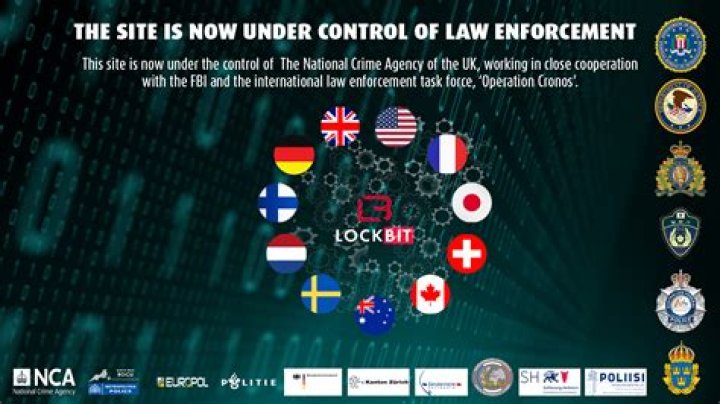
Copyright enforcement varies significantly across different countries and regions. Some nations aggressively pursue copyright violators through legal channels, automated warning systems, and ISP cooperation, while others have limited enforcement infrastructure or prioritize other legal concerns.
The United States, United Kingdom, Germany, France, and Australia maintain robust copyright enforcement systems. These countries have established legal frameworks for copyright holders to identify infringers, send cease-and-desist notices, and pursue civil litigation. ISPs in these jurisdictions often participate in graduated response programs that warn users before taking more serious action.
Other countries have less developed enforcement mechanisms due to resource constraints, different legal priorities, or weaker intellectual property protection frameworks. However, the international nature of the internet means users anywhere can potentially face consequences, especially as cross-border cooperation on intellectual property enforcement continues to expand.
Why Gomovies Continues Operating Despite Legal Issues
Despite clear legal violations, gomovies and similar platforms persist through various technical and operational strategies. The site uses a decentralized model, frequently changing domain names and hosting servers in countries with lax copyright enforcement or limited cooperation with international authorities. This jurisdictional arbitrage makes shutdown efforts challenging.
The operators typically remain anonymous, using privacy-protecting domain registration services and cryptocurrency for transactions that might reveal identities. When one domain gets seized or blocked, the platform quickly migrates to new URLs and spreads information through social media and forums. This resilience frustrates copyright holders and enforcement agencies.
Financial incentives drive these operations. Advertising revenue from millions of visitors generates substantial income despite the illegal nature of the service. The high traffic volumes make these sites attractive to advertisers willing to operate in gray areas, creating a revenue stream that funds continued operation and domain hopping.
Legitimate Alternatives to Gomovies
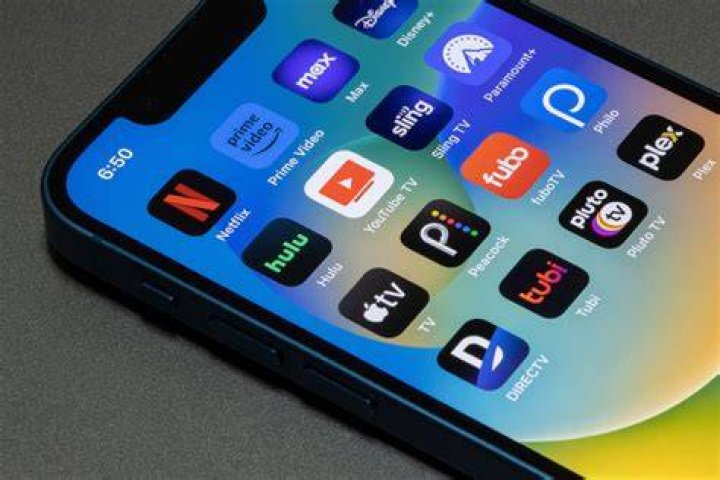
Numerous legal alternatives provide access to movies and TV shows without the risks associated with gomovies. Subscription services like Netflix, Amazon Prime Video, Hulu, Disney+, and HBO Max offer vast content libraries for reasonable monthly fees. These platforms provide high-quality streams, excellent user experiences, and support for content creators.
Free legal options also exist for budget-conscious viewers. Services like Tubi, Pluto TV, Crackle, and Peacock offer ad-supported streaming at no cost. While their content libraries may not match paid services, they provide legitimate access to thousands of movies and shows. Many also produce original content and secure licensing for recent releases.
Public libraries increasingly offer digital lending services through platforms like Hoopla and Kanopy, providing free access to movies, documentaries, and educational content with a library card. These services respect copyright law while making entertainment accessible to everyone, regardless of financial circumstances.
Understanding the Impact on Content Creators
Copyright infringement through platforms like gomovies directly harms content creators, from major studios to independent filmmakers. The entertainment industry operates on revenue models that depend on controlling distribution and monetizing content through theatrical releases, streaming licenses, and home video sales. Piracy undermines these revenue streams.
When users access content through gomovies instead of legitimate channels, creators receive no compensation for their work. This affects not just wealthy studio executives but also the thousands of crew members, actors, writers, and technical staff whose livelihoods depend on project success. Reduced revenue means fewer projects get greenlit and smaller budgets for future productions.
Independent creators and smaller production companies face disproportionate harm from piracy. Without the financial cushion of major studios, they rely heavily on every legitimate view and purchase. Widespread piracy can mean the difference between funding future projects and shutting down operations entirely.
How ISPs and Authorities Track Illegal Streaming
Internet service providers can monitor network traffic to identify users accessing known illegal streaming sites. While ISPs don't typically inspect the specific content being viewed due to privacy concerns and technical limitations, they can identify connections to domains associated with piracy. Many countries legally require or encourage ISPs to take action when copyright infringement is detected.
Copyright holders employ sophisticated monitoring systems that track IP addresses accessing illegal content. They can then work with ISPs to identify account holders and send warning notices or pursue legal action. These monitoring efforts have become increasingly automated and comprehensive as technology improves.
Government agencies in some jurisdictions actively block access to known piracy sites at the DNS level, preventing users from reaching platforms like gomovies through their domain names. While users can circumvent these blocks using VPNs or alternative DNS servers, doing so demonstrates conscious intent to access illegal content, potentially strengthening any future legal case against them.
VPNs and Legal Protection Myths
Many users believe virtual private networks (VPNs) provide complete legal protection when accessing sites like gomovies. While VPNs do mask IP addresses and encrypt traffic, making monitoring more difficult, they don't make illegal activity legal. Copyright infringement remains illegal regardless of technical measures taken to hide it.
VPN providers may maintain logs that could be subpoenaed in legal proceedings, depending on their jurisdiction and policies. Even with a VPN, other identifying information may leak through browser fingerprinting, DNS requests, or WebRTC vulnerabilities. The legal risk decreases but doesn't disappear entirely.
Using a VPN to access illegal content can potentially demonstrate premeditation and awareness of wrongdoing, which might work against a user in legal proceedings. Courts may view VPN use specifically for accessing pirated content as evidence of intentional infringement rather than innocent mistake.
Recent Legal Actions and Precedents
Copyright holders have intensified enforcement efforts against streaming piracy in recent years. Major studios and content distributors have successfully shut down numerous streaming sites through legal action, seized domain names, and secured criminal convictions against operators. These cases establish precedent that strengthens future enforcement.
The Alliance for Creativity and Entertainment (ACE), a coalition of major content companies, has targeted illegal streaming operations worldwide. Their efforts have resulted in site shutdowns, arrests, and significant financial penalties. While their primary focus remains site operators rather than individual users, the legal framework they establish affects the entire ecosystem.
Some jurisdictions have introduced or expanded penalties specifically targeting streaming piracy. The European Union's Copyright Directive includes provisions that increase liability for platforms facilitating copyright infringement. Similar legislative efforts continue globally as governments respond to industry pressure and recognize the economic impact of piracy.
Final Thoughts
Gomovies operates illegally by providing unauthorized access to copyrighted content, exposing users to legal risks, security threats, and ethical concerns. While individual enforcement against viewers remains inconsistent, the legal framework exists for copyright holders to pursue action, and penalties can be severe. Beyond legal considerations, these platforms harm content creators and compromise user security through malicious advertising and inadequate data protection.
Legitimate alternatives offer safe, legal access to entertainment while supporting the creative industry. Whether through affordable subscription services or free ad-supported platforms, viewers have numerous options that provide quality content without legal or security risks. Making informed choices about content consumption protects both individual users and the broader entertainment ecosystem that produces the movies and shows we enjoy.
Explore More on Gomovies
Thank you for reading! For more comprehensive guides and site pages, return to the Gomovies Homepage .
